
Eliminating Waste on the Shop Floor: How the Right Storage Systems Support

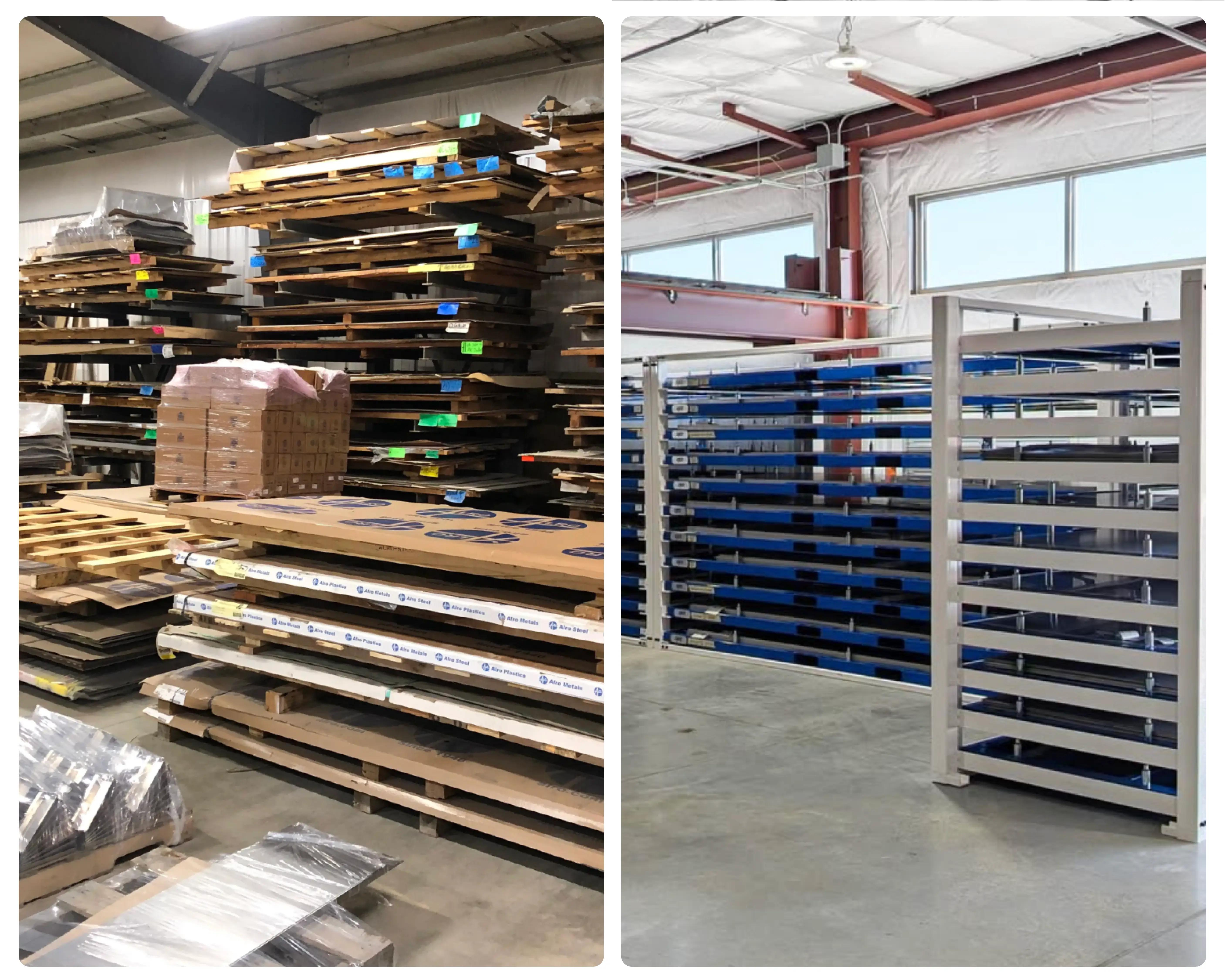
Lean Methodologies Don’t Fail — Execution Does
Most manufacturers understand the principles of lean manufacturing: reduce waste, improve flow, and maximize efficiency. Yet many facilities still struggle with bottlenecks, excess inventory, and disorganized workspaces.
The reason is straightforward: lean doesn’t fail — execution does.
Lean manufacturing requires more than a strategy. It depends on physical systems that support it every day on the shop floor. Structured storage, material flow solutions, and visual controls are what make lean practical, repeatable, and sustainable.
The Hidden Cost of Poor Systems
Every manufacturing operation encounters the seven wastes of lean: transportation, inventory, motion, waiting, overproduction, overprocessing, and defects. The difference between a high-performing facility and an inefficient one often comes down to system design.
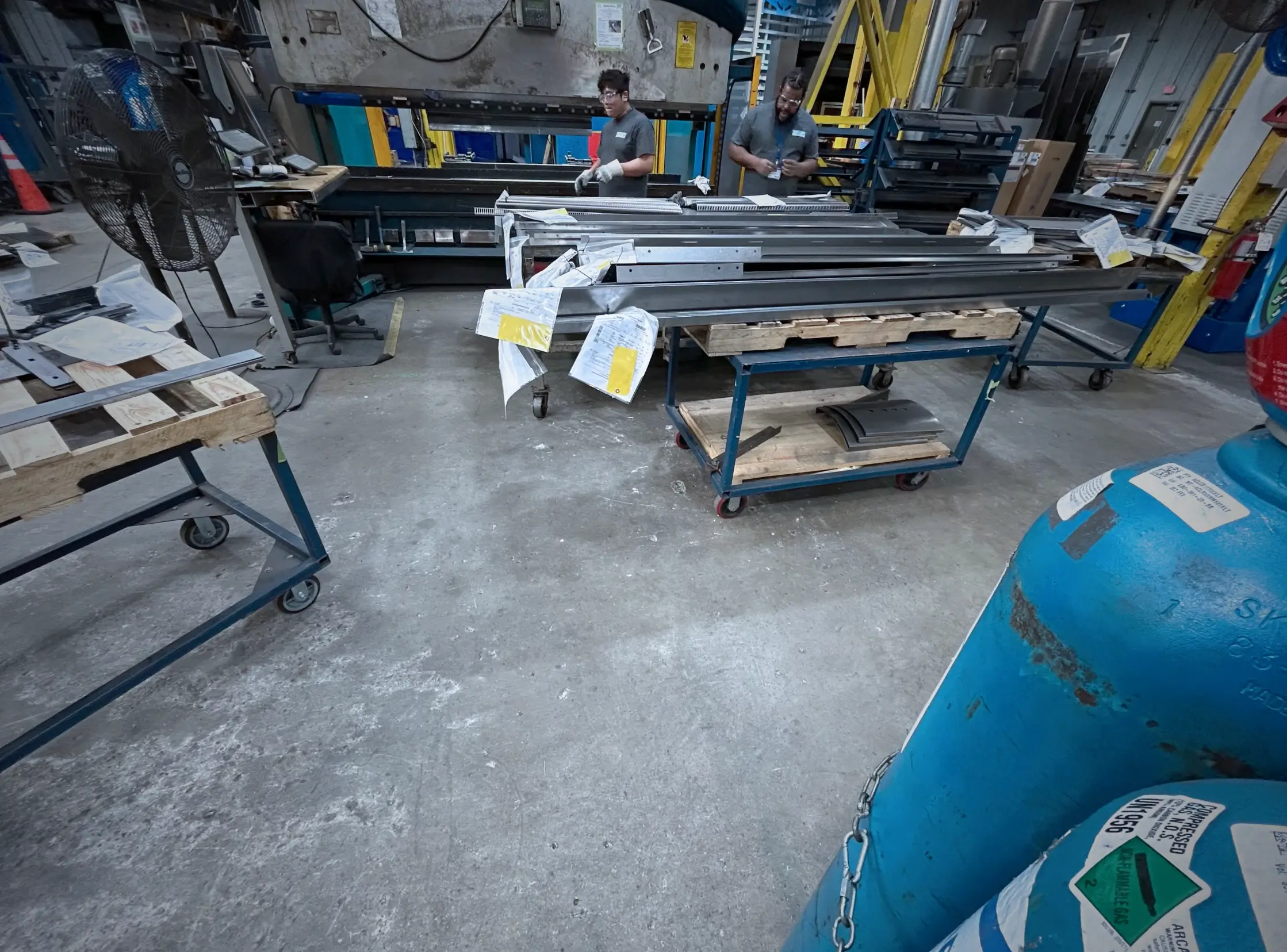
Without structured systems such as visual management, modular storage, and clearly defined material flow, waste becomes the default.
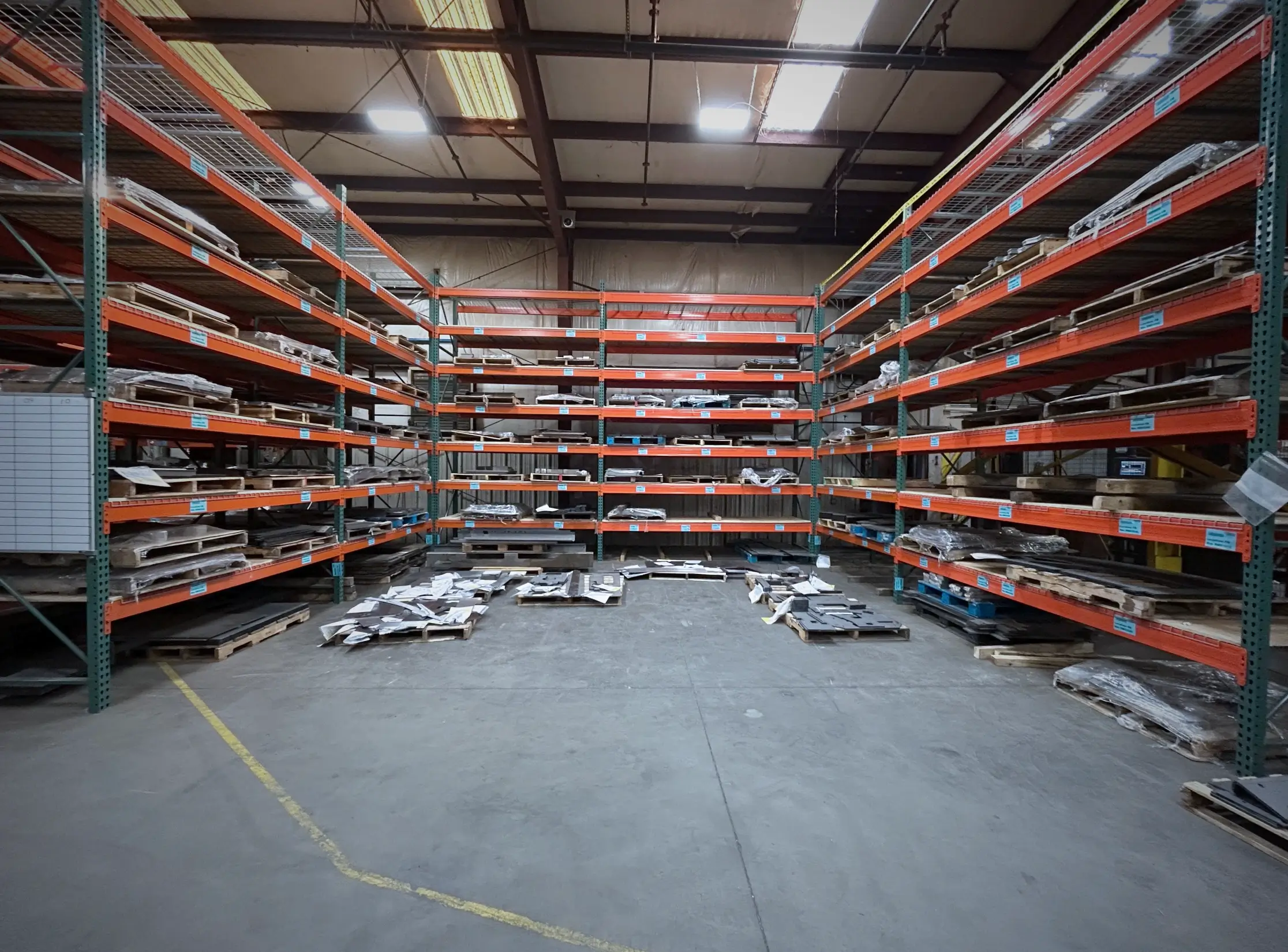
Poorly designed shop floors often create:
- Excessive material handling and travel time
- Product damage and quality issues
- Inefficient use of floor space
- Safety risks for operators
- Inaccurate inventory and production delays
When manufacturers improve how materials are stored, accessed, and moved, they can reduce waste, increase throughput, and create safer, more productive environments.
Designing the Shop Floor for Flow
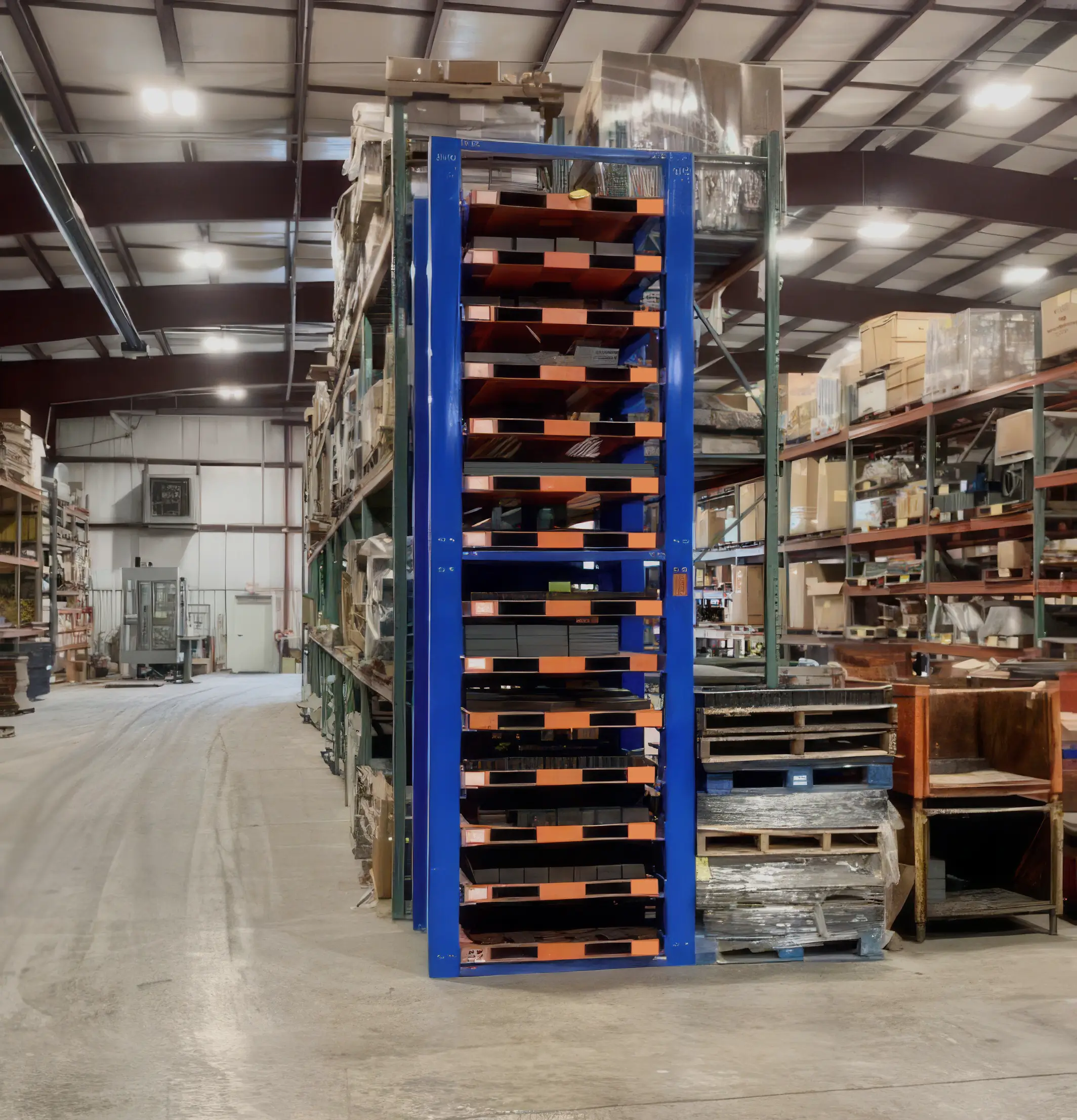
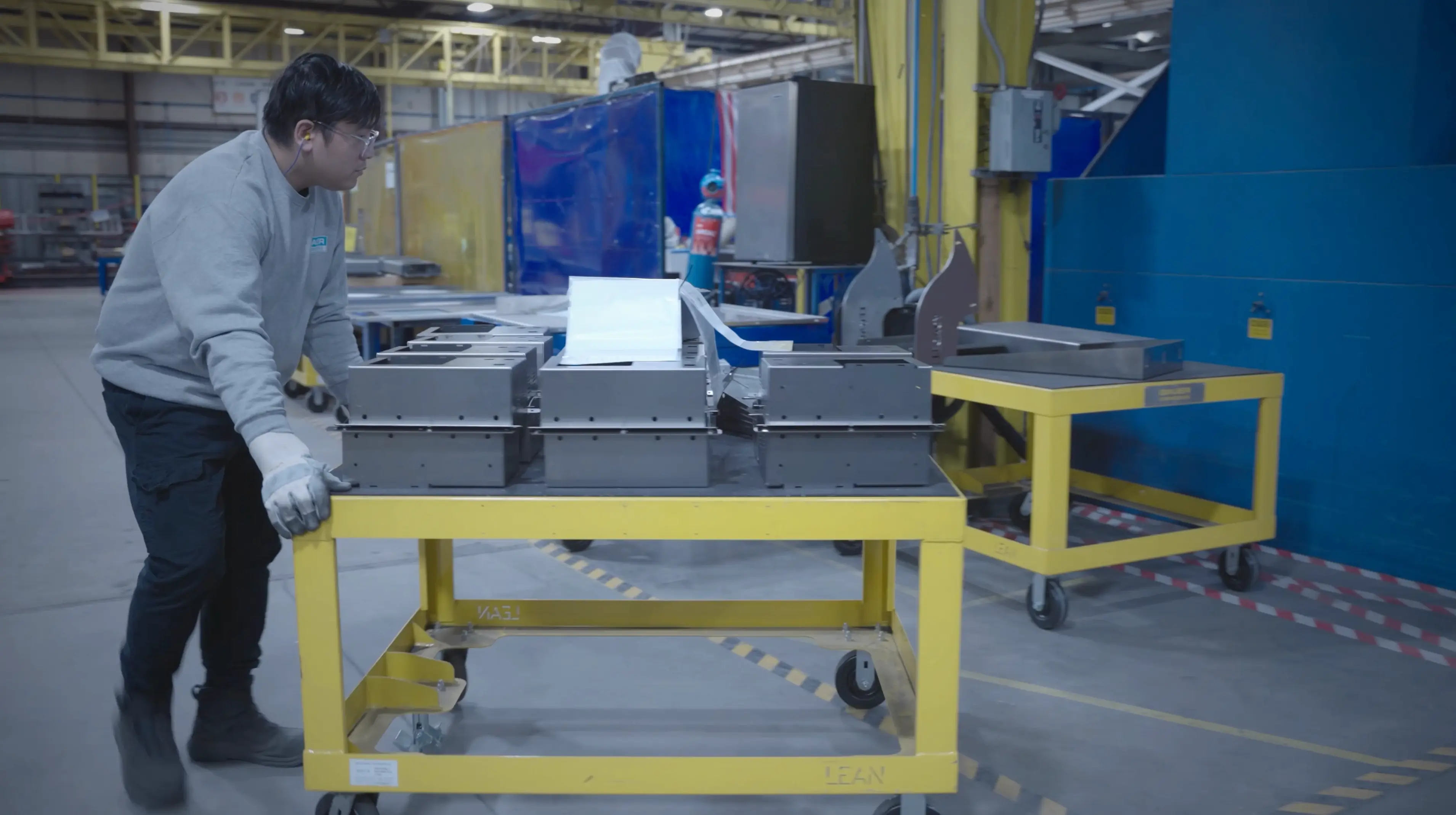
A true lean environment is built around flow and point-of-use access. When materials are stored where they are needed — and in a way that makes them easy to retrieve — operators spend less time searching, moving, and waiting.
An optimized shop floor often includes:
- Vertical storage systems that maximize available space
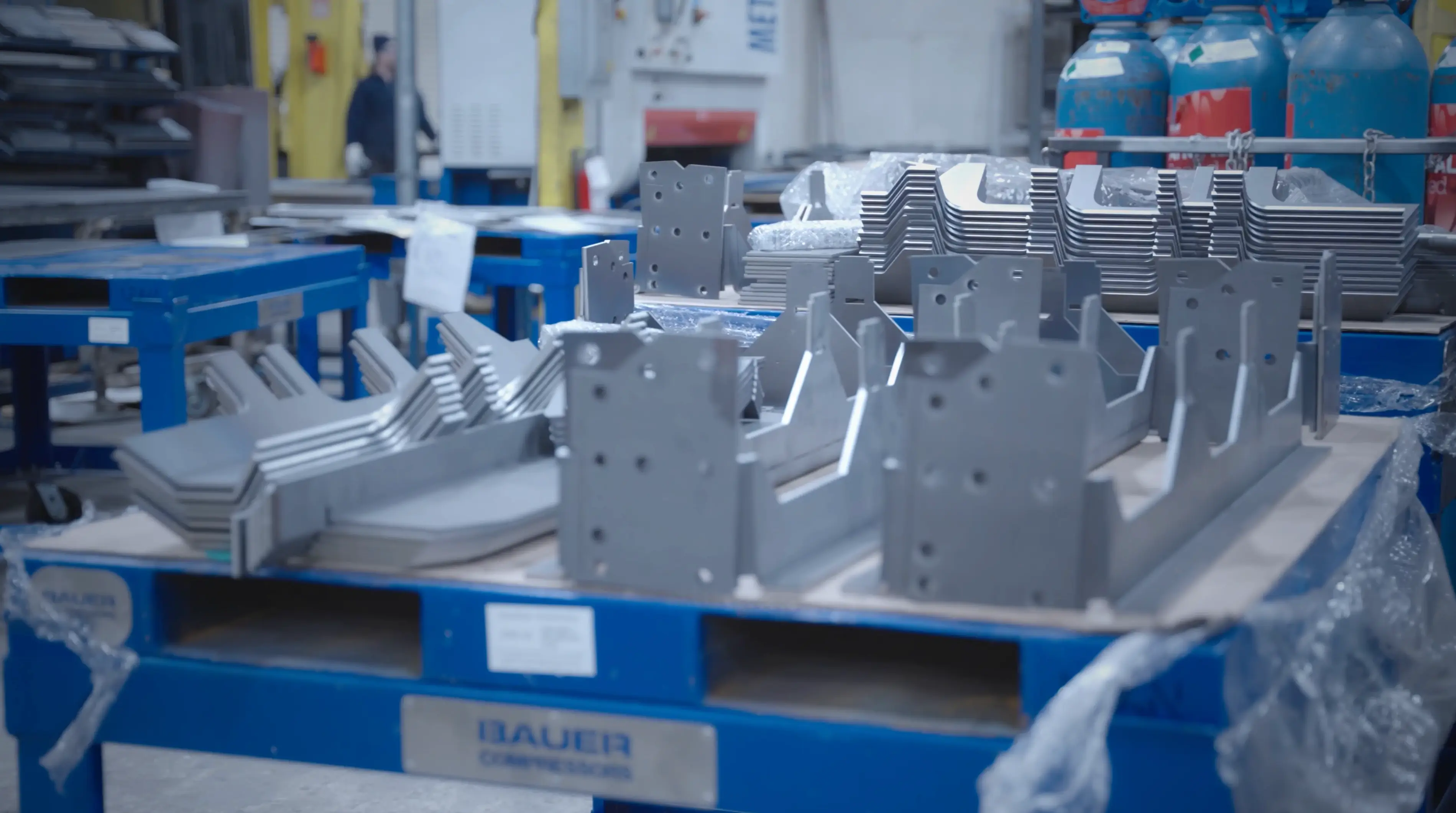
- Modular rack systems and cartridges that support flexibility and growth
- Clearly labeled storage locations for faster identification
- Ergonomic access points that reduce strain and motion waste
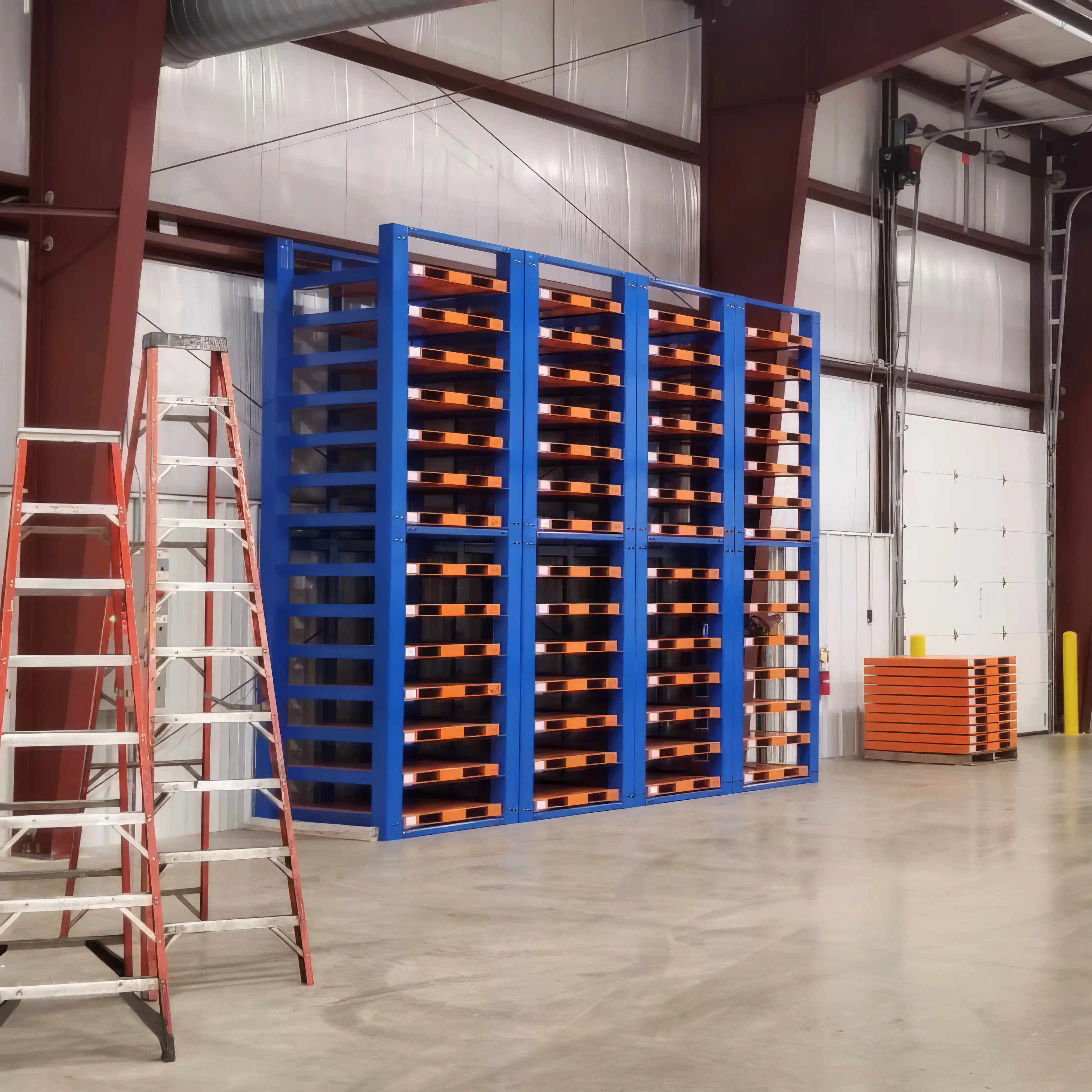
These design choices help create a workspace that supports efficiency instead of slowing it down.
Visual Management That Works
Visual management is a core part of lean manufacturing, but it only works when it is built into the environment.
Effective visual systems:
- Make abnormalities easy to spot
- Improve communication across teams
- Reduce errors and guesswork
- Support faster, better-informed decisions
Solutions such as Kanban systems, clear labeling, and inventory indicators help operators quickly understand stock levels and identify issues before they become larger problems.
5S That Sticks
Many organizations implement 5S, but fewer succeed in sustaining it long term.
That is because 5S is not just a process — it is a system.
Without the right infrastructure in place, even highly disciplined teams tend to slip back into inefficiency over time.
Sustainable 5S depends on:
- Defined storage locations
- Consistent labeling systems
- Visual controls that reinforce standards
- Storage solutions designed for everyday use
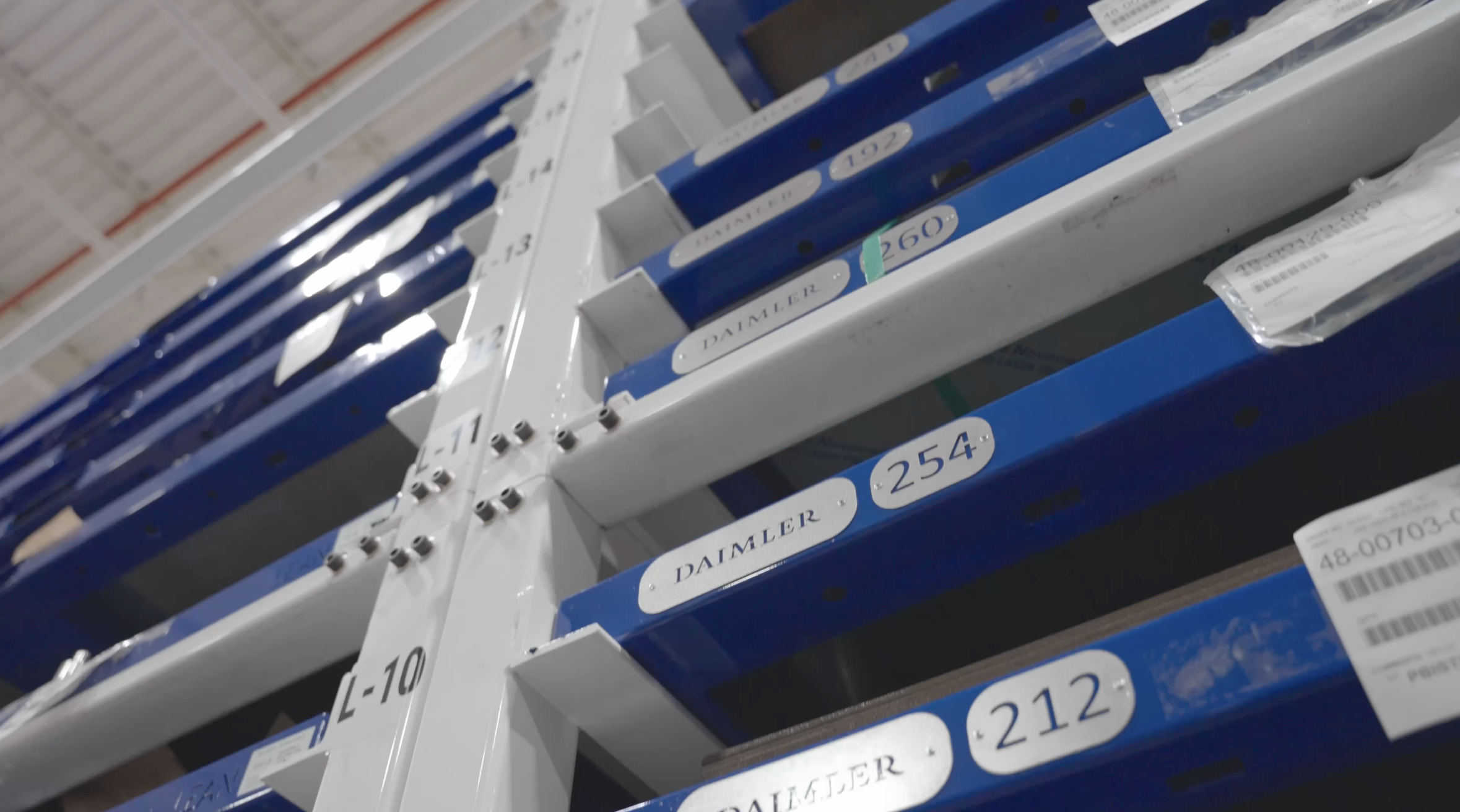
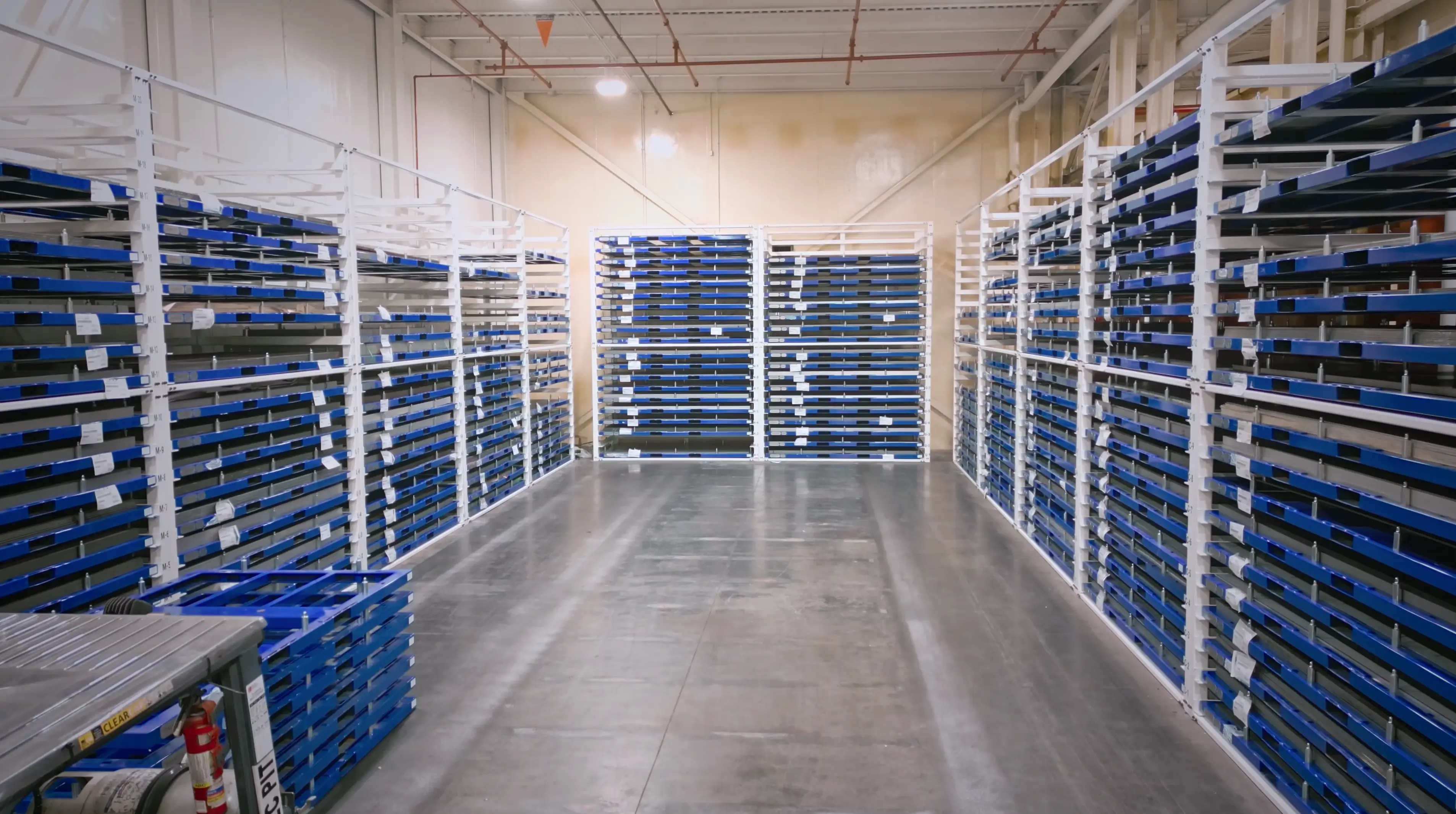
The right physical setup creates a strong foundation for long-term 5S success, making organization and standardization part of the workflow rather than something that relies on constant oversight.
Small Changes, Big Impact
Lean manufacturing is built on continuous improvement — small, consistent changes that add up over time.
But without the right systems in place, even simple improvements can be difficult to implement or scale.
By investing in modular storage systems, flexible material handling solutions, and standardized workflows, manufacturers can:
- Implement improvements more quickly
- Scale best practices across multiple lines or facilities
- Reduce disruption during process changes
- Adapt more easily as production needs evolve
Sustaining Results
The biggest challenge in lean manufacturing is not achieving results — it is sustaining them.
Long-term success depends on:
- Standardized workflows
- Visual controls that reinforce the right behaviors
- Storage systems that maintain organization
- Layouts designed for consistency and efficiency
When these elements are built into the environment, improvements are more likely to last.
From Concept to Results
When lean principles are supported by the right physical systems, manufacturers often see immediate and measurable benefits, including:
- Reduced waste across operations
- Improved material flow and throughput
- Safer, more organized work environments
- Increased productivity and performance
- Better use of existing floor space
At LEAN Manufacturing Products, we help manufacturers turn lean concepts into operational reality through engineered storage systems, material handling solutions, and workflow optimization strategies.
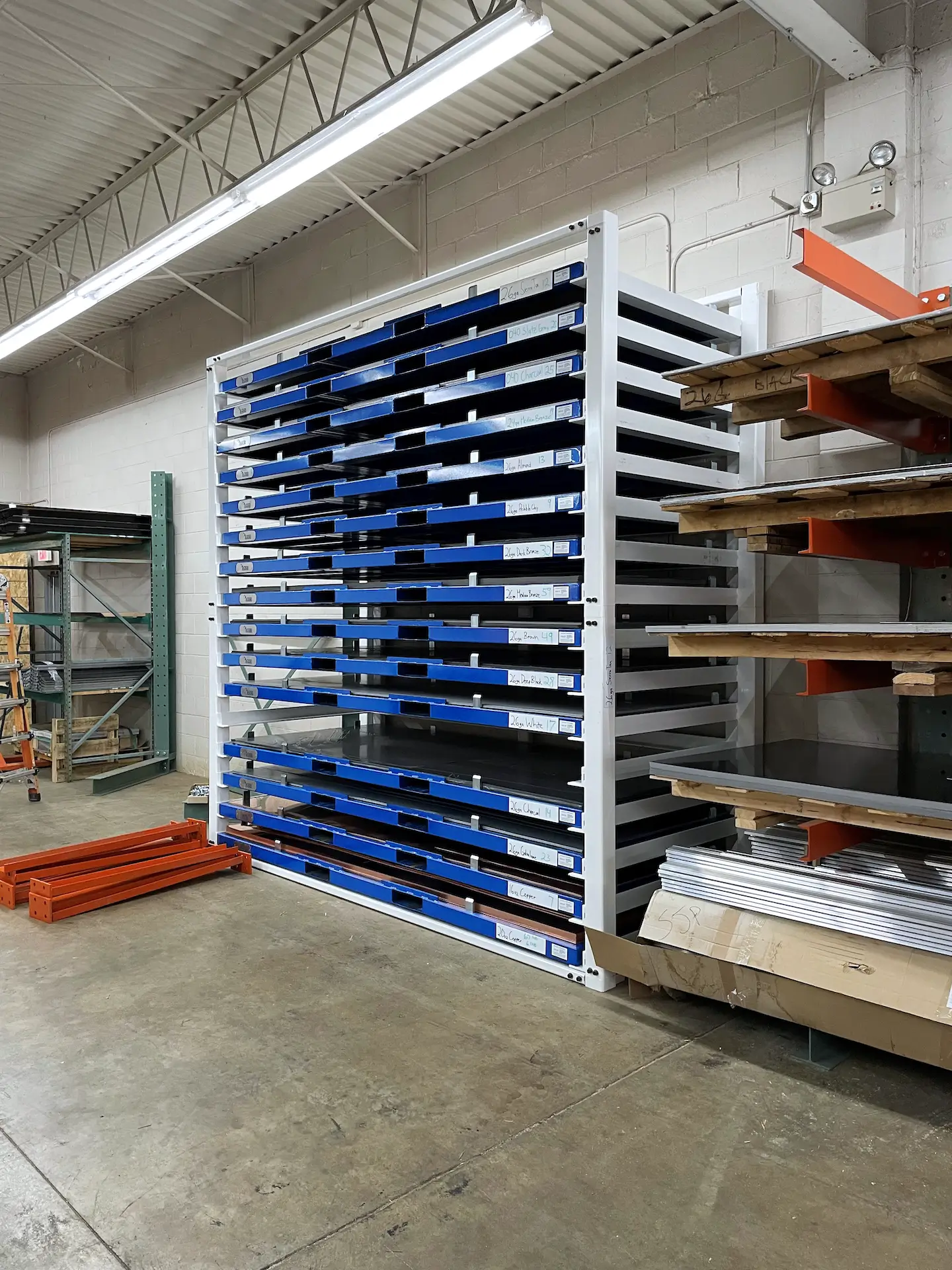
Ready to start your lean transformation? View our current product offerings here.
